
Buying a Vacation or Secondary Home in Canada
Legacy Mortgage Group can make your second home purchase, simple, stress-free, and within reach.
Whether you’re picturing slow mornings on the deck of a lakeside cabin, weekend escapes to the mountains, or a cozy place closer to family, buying a second home is an exciting step. But it also comes with a lot of questions.
That’s where we come in. We’ll break everything down in a way that makes sense, guide you through your options, and help you find financing that fits comfortably into your life.
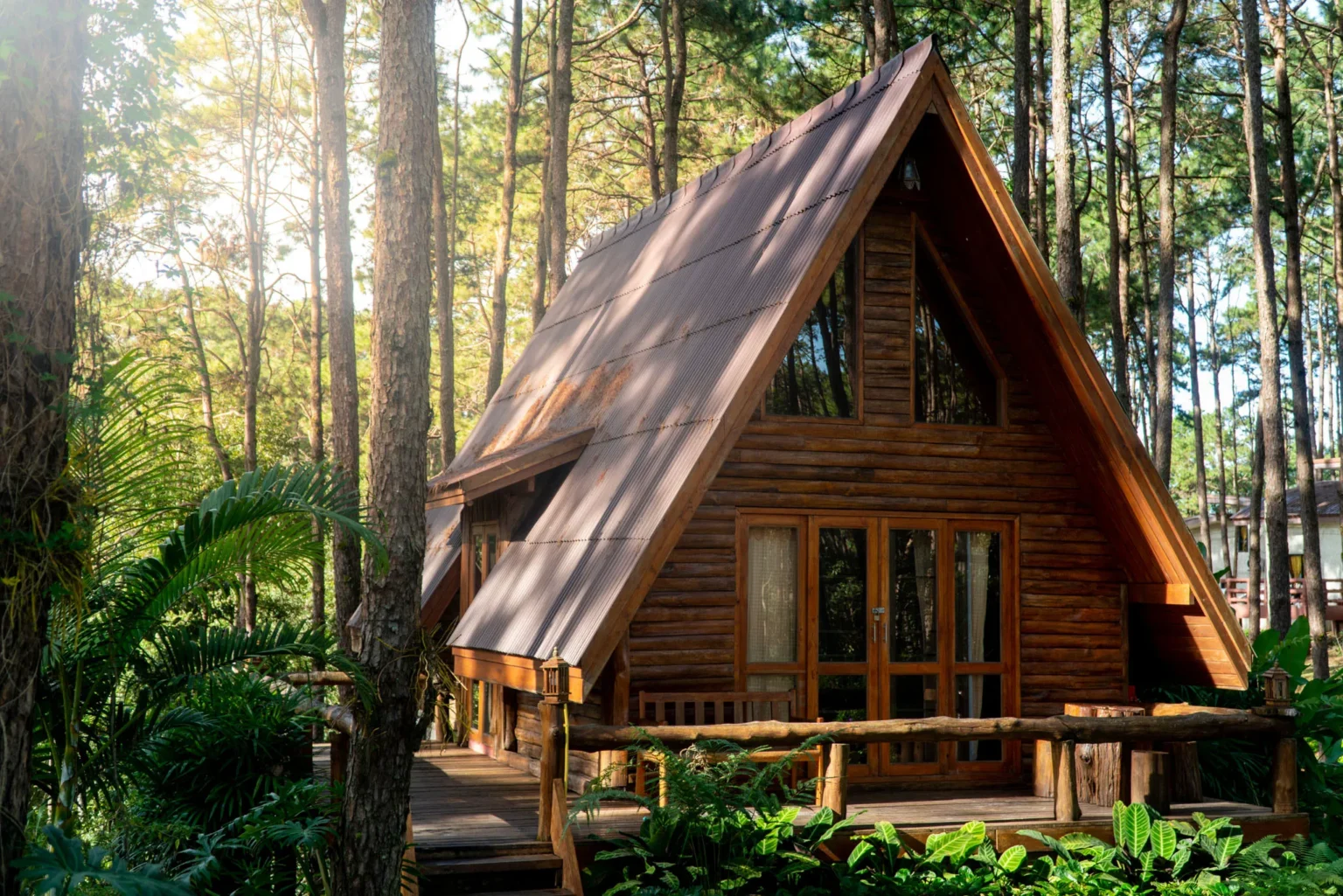
What Counts as a Vacation or Secondary Home?
Buying a second home isn’t always straightforward. Lenders classify these properties differently depending on how you’ll use them, which can make financing a bit more challenging.
Before diving into down payments and qualifications, it helps to know how lenders define a “vacation home” or “secondary property.” These definitions matter! They affect everything from your approval to your interest rate.
Here’s the simplest way to think about it:

Vacation or Secondary Homes Are:
- A property you use part-time (weekends, summers, holidays)
- A second property where your family resides rent-free
- A place for family gatherings or seasonal living
- A home you stay in regularly (but not as your primary residence)
- This home can also have a legal rental unit in it (basement suite), as your family is occupying the other unit part-time
Some examples:
- A cabin in Jasper you visit every summer
- A condo in Kelowna for weekend trips
- A small home near aging parents for easier visits
- A retreat you plan to retire in one day
Not Considered a Secondary Home:
- Homes rented out long-term
- Airbnb or short-term rentals
- Investment-only properties
Put simply, a secondary home is a place you plan to enjoy, not something you buy strictly to rent out or invest in. Don’t worry if you’re unsure which category your property falls under! Most people aren’t sure at first. We’ll help you figure it out!
Once you know how your property is classified, the next big question is: “How much do I need for a down payment?”
How Do Down Payments Work for Second Homes?
The down payment for your second home depends on the following:
Do you (or your family) plan to live there (even part-time)?
You may qualify for an insured mortgage, which means:
- 5% down on the first $500,000
- 10% down on the amount above $500,000
Example:
If your vacation home is $650,000, your down payment is:
- 5% of $500,000 = $25,000
- 10% of the remaining $150,000 = $15,000
- Total = $40,000 down
Do you plan to rent it/flip it?
Lenders consider this an investment property, which typically requires:
- 20% down or more
- A conventional (non-insured) mortgage
Example:
If your rental property is $650,000, your down payment is:
- 20% of $650,000 = $130,000 down
- Total = $130,000 down
This distinction gets a bit confusing if, say, you bought the property for a family member to rent it from you, or you plan to live there for half the year and use it as an AirBNB for the other half. If you want guidance on your specific situation, reach out to one of our expert mortgage brokers.
How Do You Know If You Qualify For A Second Home?
Qualifying for a vacation or secondary home is very similar to qualifying for your primary home, but since this will be a second mortgage, lenders take a closer look at your overall financial picture.
Here’s what they look at:
The Mortgage Stress Test
Everyone who applies for a mortgage must qualify under the stress test. This means you must show you can handle payments at either:
- The contract rate + 2%, or
- The Bank of Canada benchmark rate (whichever is higher)
The stress test isn’t designed for you to be rejected! It’s simply a way to ensure you’re protected if rates rise. Lenders don’t want you to run into a situation where you have to foreclose on one or both homes, and neither do we.
Your Debt Ratios
Lenders review your:
- Income
- Current mortgage
- Monthly debt payments
- General financial stability
This calculation helps the lender confirm if you can comfortably carry the expenses associated with two properties.
Other Things Lenders May Check
- Whether the home has year-round access
- If your income is salaried, hourly, self-employed, or retired
- Your long-term financial goals
Feeling overwhelmed?
When you work with a Legacy Mortgage Group Broker, we’ll go through all of this with you so nothing feels confusing! We’ll make sure you understand everything and feel confident in your decision to purchase a second property.
What Types of Properties are Eligible?
Before lenders approve a mortgage for a vacation or secondary home, they want to feel confident the property is safe, usable, and a reliable long-term asset. Because of this, not all vacation homes are treated the same. Some fit neatly within standard mortgage programs, while others fall into more specialized categories that require larger down payments or different types of financing.
Here’s a clear breakdown of why certain properties qualify easily, and why others don’t.
Properties That Generally Qualify for Insured Mortgages
Financial Statements
This includes detailed financial statements for the business, and a personal net worth statement for the new owner.
Properties with heat, electricity, and running water
Homes must have functioning utility systems, not temporary, improvised, or seasonal-only setups. Full utilities reduce risk and ensure the home is livable.
Four-season cottages
These have proper insulation, heating systems, and structural standards that allow them to withstand cold winters and variable weather.
Structurally sound, safe dwellings
No major foundation issues, roof rot, mold, or structural concerns. If a home is safe and stable, lenders feel comfortable backing the mortgage.

Properties That May Not Qualify for Insured Mortgages
Remote cottages
Lenders worry about difficulty accessing the property during winter storms, emergencies, or maintenance needs. Remote homes also have smaller buyer markets, which makes them riskier for lenders.
Homes relying on wood-burning stoves as primary heat
Insurers generally require permanent, reliable heat sources (electric, natural gas, propane). Wood-only heat raises concerns about safety and livability during extended winter conditions.
Seasonal-access properties
If the only way to reach the home is by boat or unmaintained roads, lenders see it as higher risk. These homes simply don’t meet year-round occupancy standards required for insured mortgages.
Properties needing major repairs
If a home needs structural work, has outdated electrical systems, or requires significant renovations before it’s livable, lenders view it as too risky for insured programs.
Island properties
Even beautiful island homes come with access limitations, delivery challenges, and unpredictability. Many lenders consider them “specialty properties” and require larger down payments.

Choosing The Right Lender
One lender may happily finance the rustic cabin of your dreams. Another won’t touch it unless it has four-season insulation and paved road access.
This happens because:
- Every lender has different risk tolerance
- Some work frequently with rural or recreational properties
- Others stick to traditional suburban/urban homes
- Some lenders avoid island or remote homes entirely
- Some specialize in vacation and cottage financing
This is exactly why working with a broker helps. Our network of over 50 lenders means we’re more likely to find one that suits your level of risk tolerance. You don’t have to guess which lender fits your property… we already know!

Taxes, Insurance, and Other Financial Considerations
Beyond financing, it’s important to understand how owning a second home fits into your bigger financial picture. Here are some key financial considerations when considering a second home!
Capital Gains Tax
If the home isn’t your primary residence, you may owe additional tax when you sell it.
Rental Income Tax
Rental income must be declared, and some expenses may be deductible. (We’ll explain the basics and point you to a tax professional if needed.)
Insurance Costs
Vacation homes may cost more to insure because they’re empty more often. This is normal, and we’ll help you plan for it.
Financing Options For Your Second Home
Beyond financing, it’s important to understand how owning a second home fits into your bigger financial picture. Below, we’ll walk you through some financing options so you can compare what feels right for your lifestyle, long-term goals, and comfort level.
Traditional Mortgage
Best for: Four-season cottages, year-round accessible homes, or properties that meet standard lending guidelines.
A traditional mortgage works the same way it does for your primary residence — but with a few vacation-home-specific differences. It’s a great option if the property is fully serviced (heat, power, water) and suitable for all-season use.
Why people choose this option:
- Predictable monthly payments
- Familiar terms and structure
- Often lower borrowing costs than unconventional financing
- Works well if you prefer a clear, straightforward plan
Types of mortgages available:
- Fixed-rate (stable payments, great for long-term budgeting)
- Variable-rate (can save money if rates drop, but with some fluctuation)
- Shorter vs. longer terms depending on your strategy
Using Your Home Equity (HELOC)
Best for: Buyers who want flexibility or want to avoid breaking their current mortgage.
If you own your primary home, you may already be sitting on a powerful tool — your home equity. A HELOC lets you borrow against that equity and use the funds however you’d like, including:
- The down payment on your vacation home
- Renovations or upgrades
- Furnishing the property
- Covering the entire purchase price
Why people choose this option:
- Only pay interest on what you use
- Flexible repayment (interest-only minimums in many cases)
- Access funds again after paying them back
- Often faster and simpler than applying for a second mortgage
When a HELOC is especially helpful:
- You want to keep your existing mortgage untouched
- You’re planning updates or renovations on the vacation home
- You’re unsure how much you’ll need upfront
- You want to make a stronger offer with cash in hand
Remortgage Your Primary Home
Best for: Homeowners with significant equity who want the lowest overall borrowing cost.
Refinancing lets you replace your current mortgage with a new one — potentially unlocking equity and securing a new rate or term.
Why refinancing works well:
- Access a larger amount of equity all at once
- Potentially lower your rate or change your term
- Consolidate debts for simpler monthly payments
- Reduce overall borrowing costs if you refinance strategically
Common uses for vacation-home buyers:
- Using refinance proceeds as the down payment
- Fully paying for the vacation home
- Reducing monthly obligations before adding a second property
Tip:
If you’re breaking your current mortgage early, we’ll walk you through any penalties and help you compare whether refinancing or a HELOC makes more sense financially.

Blended Strategies
Best for: Buyers with unique goals or who want to mix flexibility with stability.
Many homeowners use more than one financing method — and this can lead to some of the most cost-effective solutions.
Examples of blended strategies:
- HELOC + Small Mortgage:
Use the HELOC for the down payment and take a modest mortgage on the vacation home. - Refinance + HELOC:
Refinance to lock in a great rate, then attach a HELOC for extra flexibility. - HELOC now, mortgage later:
Buy quickly using equity, then convert to a mortgage when the market (or your plans) stabilize.
Why blended solutions work:
- They offer both stability and flexibility
- They let you move quickly on the right property
- They help balance long-term planning with immediate needs
- They can reduce upfront costs while keeping monthly payments manageable
Tip:
Combination strategies are especially helpful if the vacation home needs repairs, is priced competitively, or you want to make a strong offer without being tied to a mortgage approval timeline.
Every buyer’s situation is unique.
Your income, your existing mortgage, your long-term plans , and even the type of vacation home you’re buying, can change which financing strategy is the most affordable and practical.
Choosing if and how to finance a second home is a big decision, but it doesn’t have to feel overwhelming! Once we understand your goals, budget, and timeline, we’ll walk you through the options and help you pick the approach that feels the most comfortable and sustainable for your life.
Why Work With Legacy Mortgage Group?
Buying a second home is a big milestone, and you deserve a team that makes the process feel clear, calm, and genuinely supportive. Here’s what sets us apart.

We Make the Process Easy
No jargon. No confusion. Just simple explanations, clear steps, and friendly experts who guide you from “How does this work?” to “We’re approved!” with confidence.

We Listen to Your Goals
Every buyer has a different dream: lake weekends, family visits, quiet retirement planning. We take the time to understand what you want and tailor your financing around it.

We Handle the Complicated Lender Logistics
Lender rules for vacation homes can be overwhelming. We sort through them for you, compare options, and help you understand exactly what fits your property and budget.

We’re Here For You, Long After Approval
Your second home is part of your long-term plans. We stay with you through renewals, questions, refinances, and everything in between, not just the initial approval.
If you’re ready to take the next step towards your dream second home, reach out to one of our expert mortgage brokers today.

Hear From Our Clients
They know how to throw a fantastic event too, specifically the Legacy Summer BBQ. Great food, great times and great people!
Working with him has been an absolute pleasure, and my clients consistently express their satisfaction with his exceptional service. If you're looking for a reliable, knowledgeable, and trustworthy mortgage broker, Ravinder is the one to call!

Ready To Make Your Dream Second Home a Reality?
Whether you’re dreaming of peaceful weekends away, planning a long-term retreat, or looking for a passive income source, we’re here to help you take the next step.